Do ChatGPT-Style AI ChatBots Help Students Learn? Yes, But There Are Caveats, Says Research
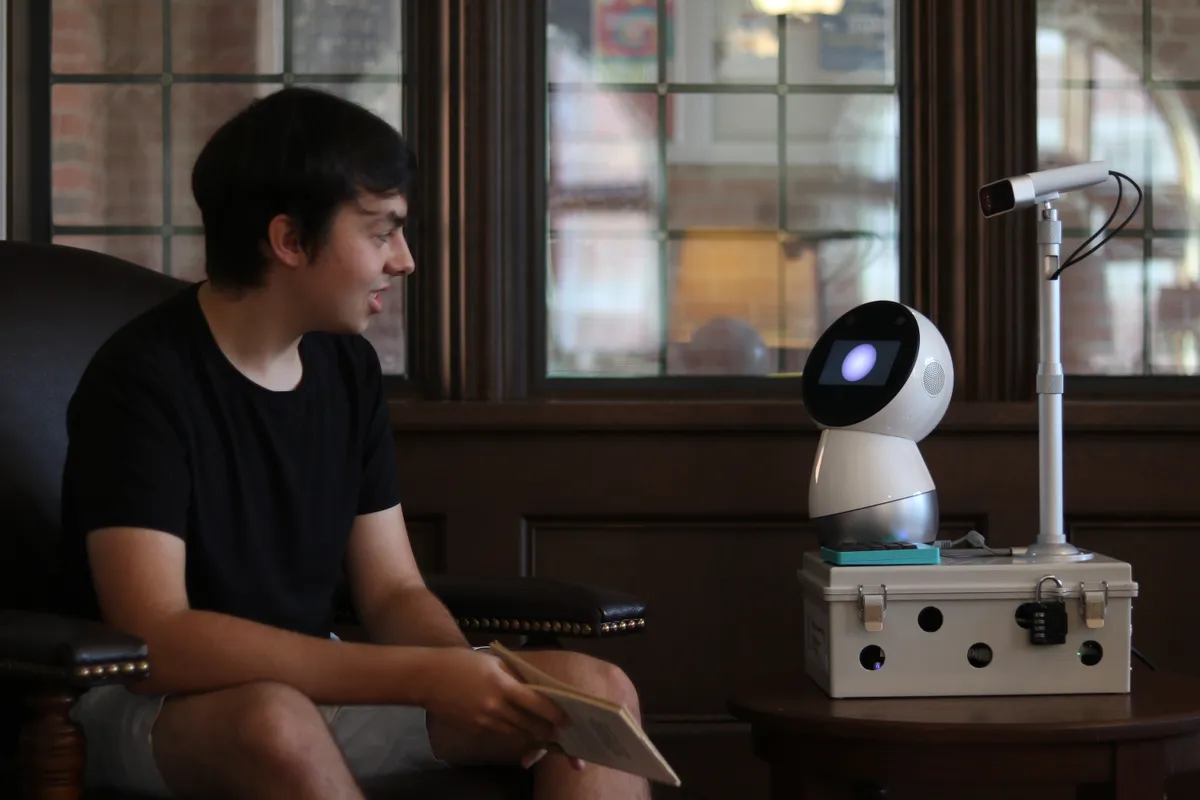
AI chatbots show promise in helping college students but are less effective for K-12, with the impact on learning seeming to decrease over time

Google Gemini, formerly known as Bard, is the latest AI tool available to educators
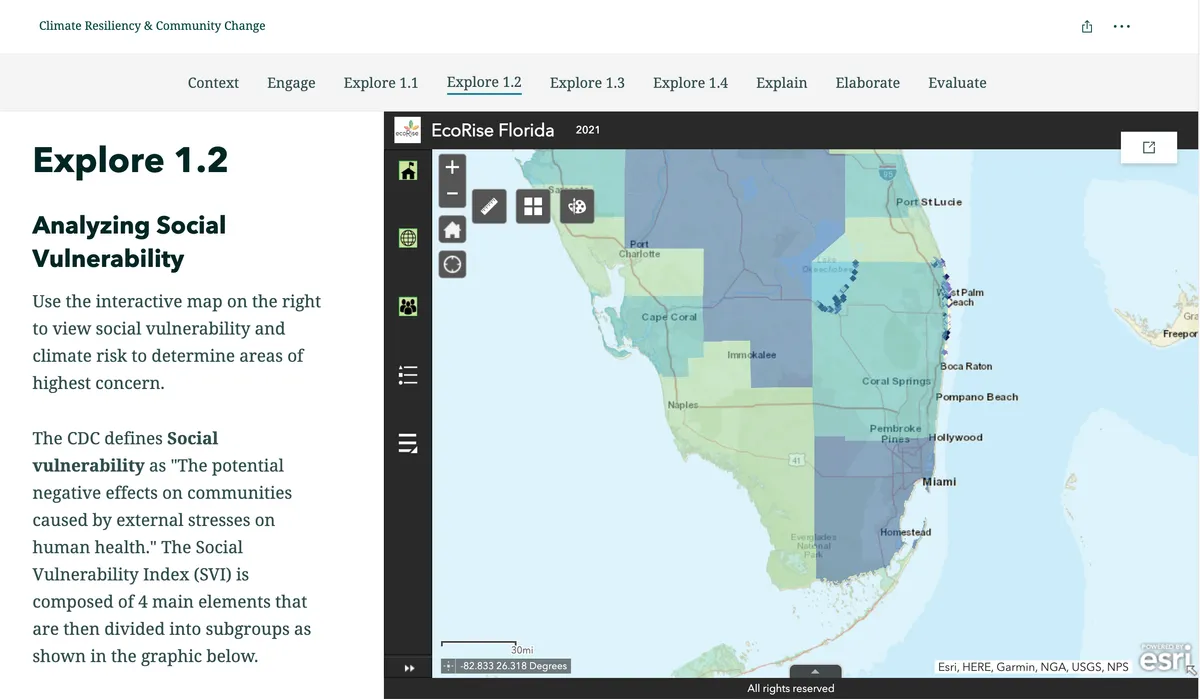
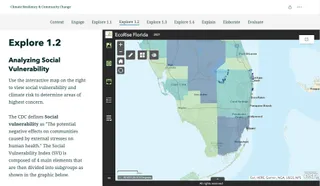
The nonprofit EcoRise and AT&T have partnered to make robust climate change mapping data available to students.

Khan Academy’s Khanmigo learning guide is powered by GPT-4 and Sal Khan says it is so powerful that it feels like it has passed the Turing Test

These best astronomy lessons and activities to help teach and celebrate the study of celestial objects, space, and much more

Explaining AI use in your classroom to your students' families can help eliminate fears and build support

The best free formative assessment tools can help teachers track student progress and personalize learning.

This Curipod Lesson Plan is designed to help educators integrate the digital tool to support instruction

It's time to unfreeze my device, but how? This guide lays out all you need to know.

These professional development sites for education will help teachers refresh and update their practice

These top digital portfolios allow students to showcase their schoolwork with pride.

Technology in education is not going away, but poorly implemented technology should.